

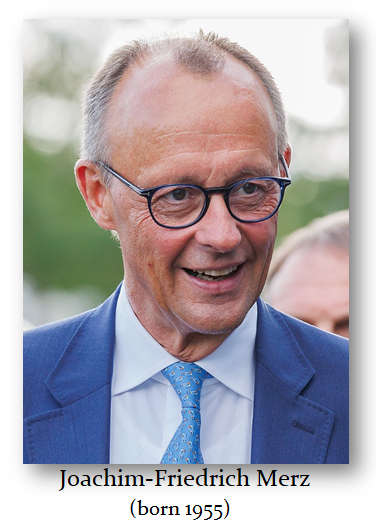
German Chancellor Friedrich Merz is now threatening to block the European Union’s whole seven-year price range until each member state agrees to finance Ukraine. That is the state of European politics in the present day. The governments of 27 nations are supposed to barter a price range that addresses their very own financial wants, infrastructure, agriculture, regional improvement, and public companies. As a substitute, Merz has determined the way forward for your entire European Union have to be conditional on one other monetary dedication to a nation that’s not even an EU member. The struggle has been dragging on since February 2022, European economies are deteriorating, and the political institution continues to behave as if there may be a vast provide of cash that may be extracted from the taxpayers.
Ukraine is going through a €70 billion financing shortfall in 2027. Brussels has already promised to cowl roughly two-thirds of that quantity, or €45 billion, regardless of having no agreed mechanism to finance the dedication. The European Fee is contemplating one other spherical of joint borrowing, which might place further obligations upon European taxpayers. This comes on high of the €90 billion mortgage permitted final December. The prevailing mortgage was supposed to supply Ukraine with financing over two years, but Kyiv is already demanding one other monumental injection of capital. At what level does anybody in Brussels acknowledge that that is changing into a everlasting monetary obligation fairly than momentary emergency help?
Merz has written to European Council President António Costa demanding that each one member states contribute to Ukraine’s financing. He declared, “A collective dedication that each one of us, with out exception, will contribute pretty to closing this hole is an important prerequisite for resolving this challenge and for discussing any additional issues, significantly these with monetary implications.” Germany is threatening to withhold approval of the EU’s 2028–2034 price range until international locations which have already expressed opposition to further Ukraine financing conform to take part.

Hungary, Slovakia, the Czech Republic, and Bulgaria have indicated that they don’t intend to take part in one other monetary bundle for Kyiv. Hungary, Slovakia, and the Czech Republic beforehand negotiated exemptions from curiosity obligations on the €90 billion mortgage. Their governments have completely different political positions, however they share a priority about being compelled to imagine further monetary liabilities. Merz is now trying to punish their resistance.
What precisely is the aim of getting sovereign member states if they can not decide how a lot debt their very own taxpayers ought to assume? These governments have been elected to signify their residents. They’ve obligations to take care of roads, hospitals, colleges, pensions, and public companies. But the European political institution more and more treats these obligations as secondary to financing Ukraine. A authorities that questions one other multibillion-euro dedication is accused of undermining European safety. A authorities that makes an attempt to guard its home price range is portrayed as obstructing solidarity. That is how the language of collective accountability turns into a method of exerting political strain.
The hypocrisy is especially obvious within the price range negotiations themselves. Germany, Denmark, Finland, the Netherlands, and Sweden belong to the group of nations searching for restraint within the subsequent EU price range. They need reductions in proposed spending and better fiscal self-discipline, but they concurrently demand that each one member states take part in further financing for Ukraine. The international locations defending agricultural and regional improvement expenditures are being informed that cash is proscribed and tough decisions have to be made.
The EU’s cohesion funds are significantly essential to poorer member states. They finance transportation networks, water methods, infrastructure, and regional improvement initiatives supposed to slim financial disparities throughout the bloc. Agricultural spending helps farmers who already face rising manufacturing prices, regulatory burdens, and worldwide competitors. These will not be summary accounting entries. They have an effect on employment, funding, and the financial viability of communities all through Europe. But the political institution is ready to jeopardize negotiations over these applications to safe one other financing dedication to Ukraine.
Slovak Prime Minister Robert Fico has warned that linking the 2 points can be “very harmful.” Poland’s deputy minister for European affairs, Ignacy Niemczycki, has additionally cautioned that combining Ukraine financing with the EU price range might backfire and make an settlement tougher to succeed in. Everybody has lengthy realized that the EU is not going to prioritize its members over Ukraine. Fall in line or be banished like Orban.
The €90 billion mortgage was backed by frequent European borrowing, with compensation linked to the potential of Russia finally paying reparations. However Russia has not agreed to pay these reparations and certain by no means will. The EU has mentioned utilizing immobilized Russian sovereign property as a possible technique of restoration, however that raises severe authorized, monetary, and geopolitical questions. Within the meantime, curiosity obligations are actual. Brussels initially estimated roughly €3 billion yearly in curiosity prices, however increased borrowing prices have sophisticated these calculations.
I’ve warned repeatedly that governments deal with borrowing as if it have been revenue. They challenge debt, spend the proceeds, and go away the implications to future taxpayers. Now the European Union is considering one other spherical of joint borrowing to finance a rustic that’s not even an EU member. The curiosity have to be paid, the debt have to be serviced, and the borrowing capability getting used for Ukraine can’t concurrently be used for home funding. Each euro has a chance value, no matter how Brussels makes an attempt to disguise it via monetary mechanisms and political declarations.
The European Parliament’s personal analysis has acknowledged that many member states are already fighting excessive public debt and rising protection expenditures. These circumstances limit their capability to finance further commitments. France is confronting severe fiscal pressures, Germany has endured years of commercial weak spot, and governments all through the continent are coping with the implications of upper vitality prices and deteriorating competitiveness. European companies should compete internationally whereas absorbing costly vitality, taxes, and rules. But their political leaders proceed including long-term monetary obligations with out establishing how the underlying economies will generate ample progress to maintain them.
The European Union has already offered monumental monetary, army, and humanitarian help to Ukraine. By mid-2025, European establishments and member states had made out there roughly $162 billion in help, in line with an evaluation by the Middle for European Coverage Evaluation. No quantity is ever sufficient for Zelensky or those that consider they’ll sooner or later have entry to Russia’s riches.
Merz could achieve extracting one other monetary dedication from reluctant member states. Germany’s financial place throughout the EU provides it appreciable negotiating energy. However forcing an settlement is just not the identical as creating real political consent. Each further monetary obligation imposed via strain will increase resentment towards the establishments accountable. That resentment doesn’t disappear when the price range is permitted.
The European Union can’t keep political unity indefinitely via monetary threats. If the one approach to safe one other Ukraine bundle is to threaten the price range of all 27 member states, then the disagreement is way extra severe than Brussels is ready to confess.
