


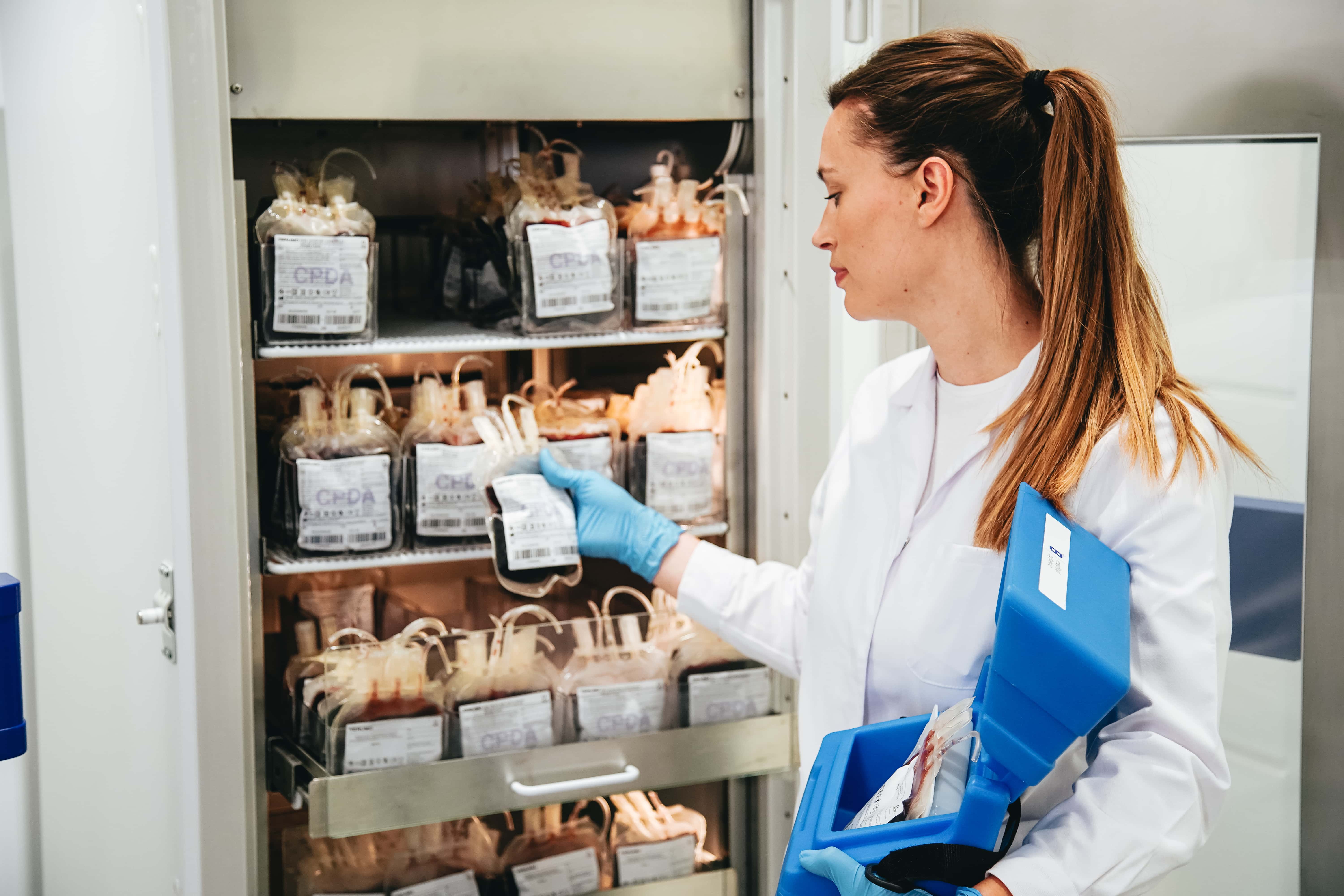
I not too long ago warned that cyberattacks on Europe’s refrigeration systems have been solely starting. Hackers had already demonstrated that they might destroy monumental portions of meals with out dropping a bomb or firing a shot. Now they’ve gone after one thing way more harmful. France’s nationwide blood service has confirmed that hackers remotely manipulated refrigeration methods at three amenities storing blood plasma used for transfusions and pharmaceutical manufacturing. The attackers tried to lift freezer temperatures to extraordinary ranges, with studies indicating that some settings have been modified from -30°C (-22°F) to as excessive as 110°C (230°F). We’re not discussing spoiled groceries. We’re discussing the flexibility to intervene with medical provides that hospitals depend on to maintain individuals alive.
The assault occurred in a single day between November 1 and a couple of, affecting amenities operated for the French Blood Institution (EFS). Thankfully, monitoring methods detected the irregular temperatures, and personnel transferred or secured the blood merchandise earlier than any injury occurred. No blood provides have been misplaced, and hospital providers weren’t interrupted. However that final result depended upon the vigilance of personnel and the provision of other refrigeration. What occurs when the subsequent assault happens at a number of hospitals concurrently, or when backup amenities are compromised as nicely? Blood plasma is important for treating extreme bleeding, trauma victims, and sufferers present process sure medical procedures. Destroying these reserves may have penalties extending far past the monetary losses related to ruined meals.
This follows a unprecedented sequence of assaults on European supermarkets. In October, hackers reportedly compromised refrigeration gear at as many as 700 French supermarkets, remotely manipulating temperatures and inflicting substantial meals losses. One other wave struck retailers throughout Europe this week, affecting shops in Belgium, Eire, Sweden, Finland, Estonia, Luxembourg, the Netherlands, and elsewhere. Some refrigeration methods have been reportedly pushed to 50°C (122°F), destroying perishable stock and leaving companies with thousands and thousands of euros in losses.
These usually are not subtle assaults nor are they innocent pranks. Investigators have recognized vulnerabilities in internet-connected refrigeration controllers, together with outdated gear that not receives safety updates. The units have been put in to make operations extra environment friendly by permitting technicians to watch and alter temperatures remotely. But that very same comfort can present outsiders with entry to gear accountable for preserving meals, drugs, and blood merchandise. A hacker sitting 1000’s of miles away could possibly intervene with important provides with out ever coming into the nation.
We have now spent many years connecting virtually the whole lot to the web beneath the belief that better automation essentially represents progress. Fridges, warehouses, hospitals, water methods, transportation networks, and electrical infrastructure more and more depend on software program and distant entry. The issue is that each connection creates one other potential level of failure. A vulnerability in a single business provider can expose a whole lot of shoppers who might not even notice that their gear is accessible from exterior their very own networks. The assault on the French blood amenities reportedly concerned a refrigeration gear provider relatively than a direct intrusion into the blood service’s central laptop methods. That’s exactly why this downside is so tough to comprise.
There may be additionally a psychological dimension that governments mustn’t underestimate. Empty grocery store fridges and studies of threatened blood provides undermine public confidence within the potential of establishments to guard primary requirements. The European Fee has acknowledged that these incidents require a coordinated response, whereas nationwide cybersecurity companies are investigating. But the id and motives of the attackers stay unknown. No group has credibly claimed accountability, and there’s inadequate proof to conclude {that a} overseas authorities directed the operations. Some analysts suspect politically motivated sabotage, whereas others imagine a person or prison group could also be exploiting broadly accessible vulnerabilities. The uncertainty itself is troubling as a result of authorities can’t but set up whether or not the assaults are coordinated or how far they might prolong.
Historically, destroying a nation’s meals or medical provides required bodily assaults towards warehouses, transportation routes, or manufacturing amenities. Right this moment, related disruption could also be achieved by manipulating the software program that controls storage situations. An adversary may theoretically goal refrigerated medicines, vaccines, laboratory specimens, or different temperature-sensitive provides. That doesn’t imply these amenities have already been compromised, however the assaults in France reveal that the underlying hazard is actual. The excellence between civilian infrastructure and potential targets for sabotage is turning into more and more blurred.
This must also concern Individuals. In August, refrigeration failures at commissaries on a number of US navy bases prompted an investigation into attainable cyber interference. Authorities haven’t established that these incidents have been linked to the European assaults, however the similarities warrant examination. America relies upon upon the identical forms of interconnected business know-how used all through Europe. An outdated controller doesn’t grow to be safe just because it’s put in on American soil.
The attackers have now demonstrated that they’ll intervene with the methods preserving each meals and lifesaving medical provides. Thankfully, the French blood service prevented any lack of plasma, however that ought to not diminish the seriousness of what occurred. The subsequent facility might not detect the intrusion rapidly sufficient. The subsequent provider might haven’t any different storage accessible. And the subsequent assault might have an effect on one thing that can not be changed earlier than sufferers or shoppers undergo the implications.
Europe is discovering that its vulnerability extends nicely past navy installations and authorities laptop networks. The methods sustaining atypical civilian life are more and more uncovered to distant interference. We have now constructed a society dependent upon digital connections with out adequately defending the bodily infrastructure these connections management. The assaults on supermarkets have been a warning. The tried destruction of blood plasma exhibits simply how harmful this type of sabotage may grow to be. The scary actuality is that somebody can now threaten a nation’s important provides with out ever crossing its borders.
